Cross-Country Skiing in Sigulda: Winter Training
Sigulda becomes a winter sports hub with excellent groomed trails. Learn about ski selection, technique basics, and how to prepare for the cold season. Covers both recreational and training approaches.
Why Sigulda for Winter Training
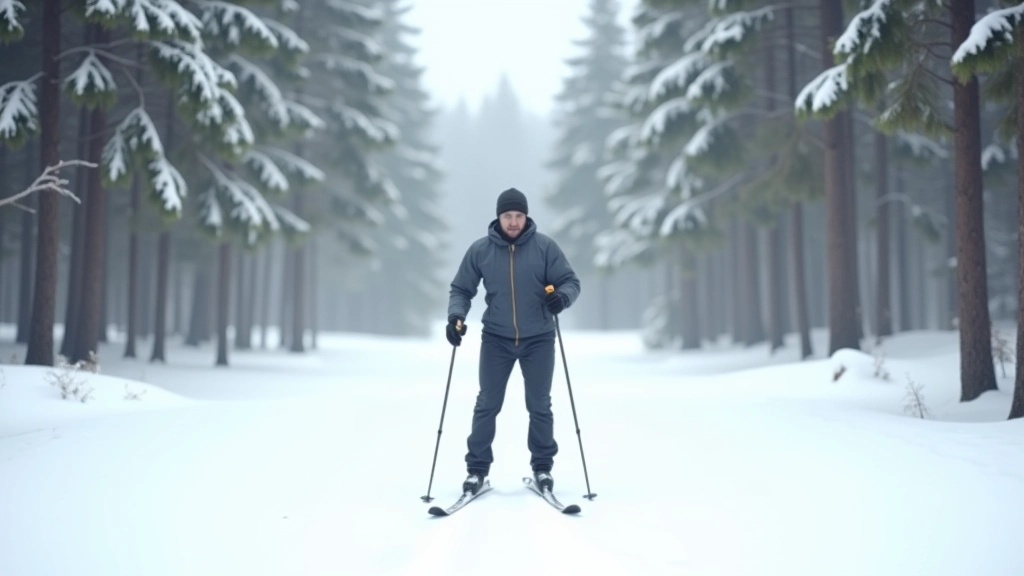
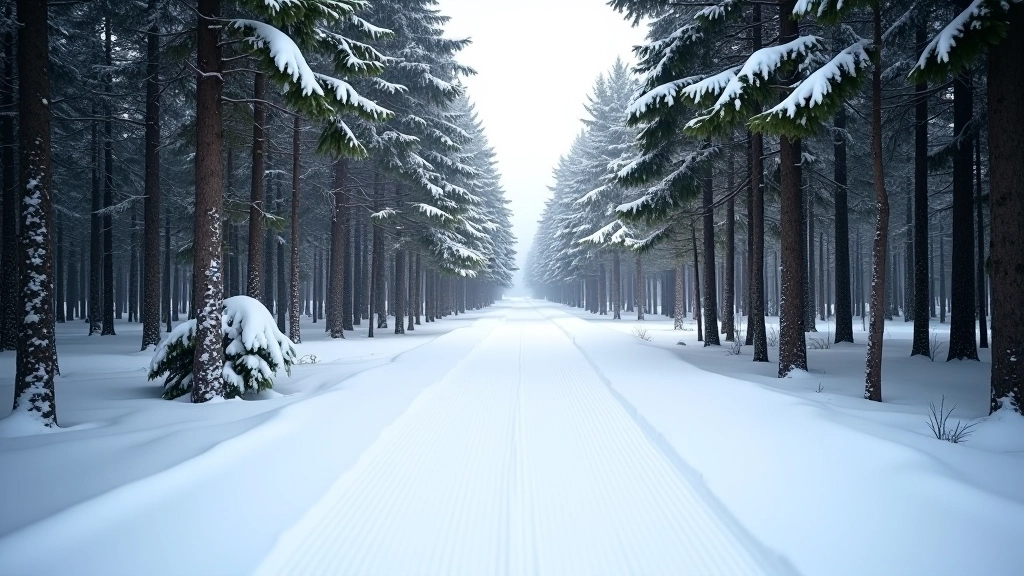
Sigulda's location in the Gauja Valley creates ideal conditions for cross-country skiing. The region sits about 100 meters above sea level with rolling terrain that's perfect for building endurance and technique. You'll find professionally maintained trails that range from flat recreational paths to challenging uphill sections.
The winter season typically runs from December through February, though conditions can extend into early March. Most years, Sigulda receives consistent snowfall that keeps the trails in great shape. We've trained hundreds of skiers here since 2015, from complete beginners to competitive athletes preparing for national championships.
Choosing the Right Skis and Equipment
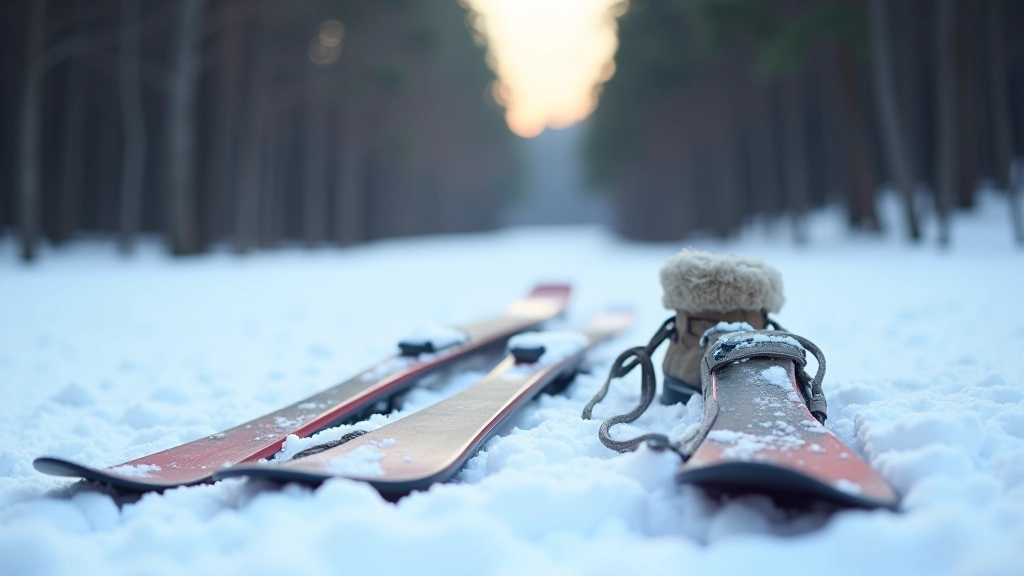
Your ski selection makes a huge difference in how quickly you'll progress. Classic cross-country skis (the traditional style with grooves on the bottom) are best for beginners. They're forgiving, stable, and work well on groomed trails.
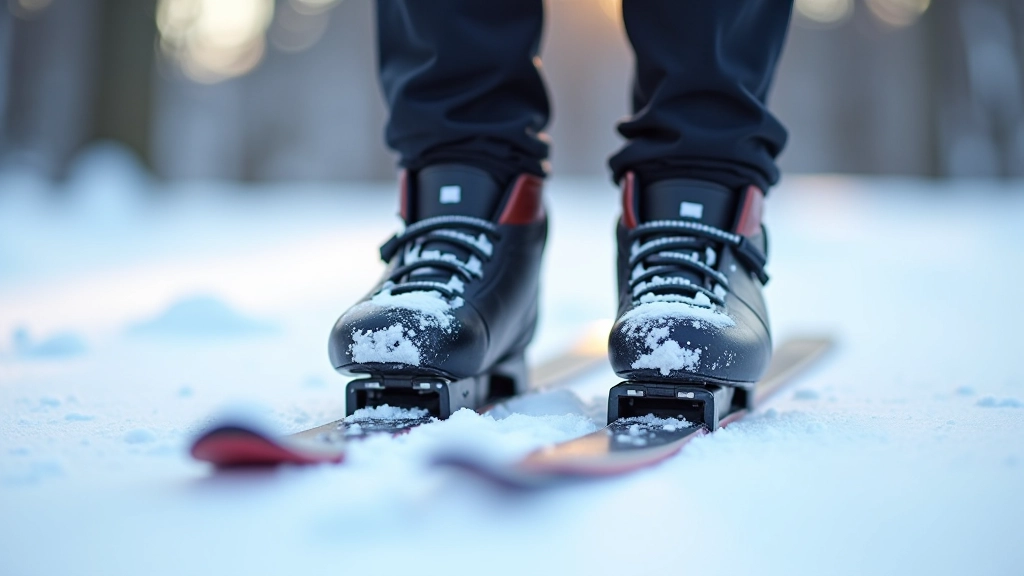
Ski length matters — you'll want skis that reach somewhere between your nose and forehead when you stand them upright. Most beginners use skis between 180-200cm. The boots should fit snugly but not squeeze your toes. A proper fit prevents blisters and lets you focus on technique rather than discomfort.
Don't skip on poles. They help propel you forward and reduce stress on your legs. Poles should reach roughly to your armpit when you're standing. Many beginners underestimate how important quality poles are — they're honestly as critical as the skis themselves.
Essential Gear Checklist
- Cross-country skis (180-200cm for most adults)
- Properly fitted ski boots and bindings
- Ski poles reaching to armpit height
- Thermal base layers (merino wool preferred)
- Insulated jacket and wind-resistant outer layer
- Thermal gloves or mittens
- Hat covering ears and warm socks
Important Information
This article provides educational information about cross-country skiing in Sigulda for informational purposes. Always consult with qualified instructors before beginning any winter sport activity. Conditions vary by season, weather, and trail maintenance. Check current trail status with local authorities before heading out. Winter sports carry inherent risks — proper training and safety equipment are essential.
Fundamental Techniques for Beginners
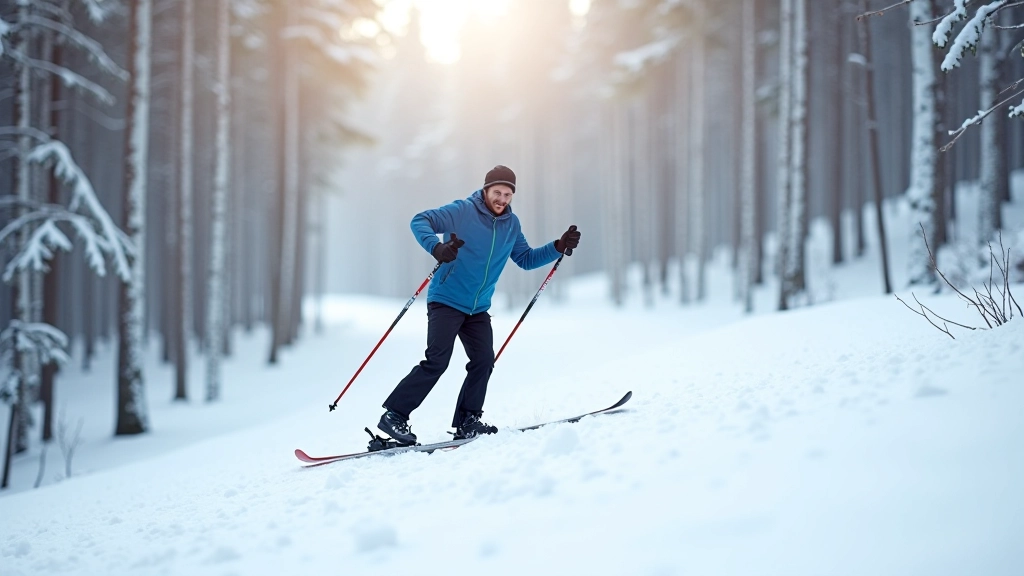
The classic diagonal stride is the foundation of cross-country skiing. It's not as complicated as it sounds. You're essentially walking on skis — pushing with one leg while gliding on the other, then switching. The rhythm becomes natural after a few sessions on the trail.
Start on flat terrain to get comfortable. Focus on keeping your upper body relaxed and letting your legs do the work. Your arms swing naturally — poles help propel you forward but shouldn't dominate your motion. Most skiers develop decent form within 3-4 sessions.
Double-poling is another key technique. You'll use both poles together to push yourself forward, especially on slight downhills or flat sections. It's more powerful than the diagonal stride but requires good core strength. Don't worry if this feels awkward at first — it'll click after practice.
Downhill technique deserves attention too. Keep your knees slightly bent, weight centered, and skis in a wider stance than on flat terrain. Turning comes from rotating your hips and shoulders together, not forcing it with your legs. Most beginners get nervous on hills, but proper positioning makes it feel much safer.
Building Your Training Plan
A solid training plan balances consistency with recovery. We recommend starting with 2-3 sessions per week if you're new to the sport. Each session should run 45-90 minutes depending on your fitness level. Mix easier days with one slightly harder workout each week.
The Sigulda trail system offers variety that keeps training interesting. The main trail loop covers about 12km and features different terrain sections. You can shorten it to 6km if you're building endurance, or tackle the full distance once you've got a solid base. Advanced skiers often do interval work on specific sections.
Progressive overload matters in skiing just like any sport. Don't try to do too much too fast — that's the fastest path to burnout or injury. Start with easier trails at a conversational pace. Once you can complete sessions without feeling exhausted, gradually add either distance or intensity. It typically takes 6-8 weeks of regular training before you'll notice significant improvements in speed and endurance.
Winter Weather Preparation
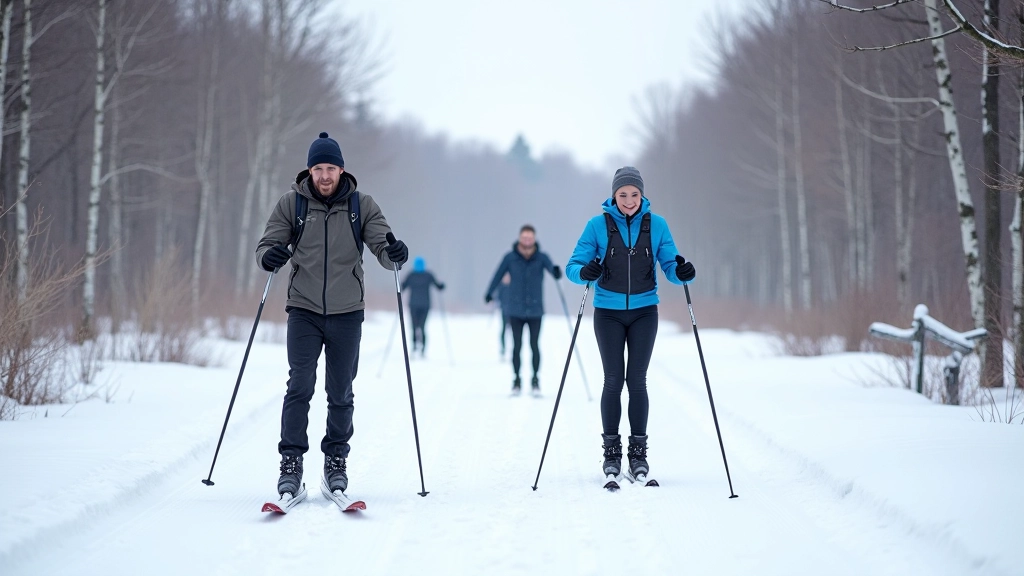
Cold weather demands respect but shouldn't scare you away. Proper layering is the key to staying comfortable. Start with a moisture-wicking base layer — merino wool works brilliantly because it stays warm even when damp. Add an insulating mid-layer, then a wind-resistant outer shell.
Your extremities need serious protection. Hands are especially vulnerable since you're moving through cold air and holding metal poles. Quality gloves or mittens make an enormous difference. Some skiers prefer mittens for extreme cold because they trap more heat, while others like gloves for better grip and control.
Wind chill in Sigulda can drop the felt temperature significantly, especially on exposed sections of trail. Check the forecast before you go. Temperatures below -10°C require extra caution — you'll want face protection and should limit session length. Warming huts are strategically placed along major trails, which is fantastic for mid-session breaks on brutal days.
Don't overlook hydration. You'll sweat even in cold weather, and dehydration sneaks up on you. Bring a water bottle or thermos with warm drink. Eating a small snack before and after helps maintain energy and aids recovery. Your body burns serious calories staying warm and moving on skis.
Getting Started in Sigulda
Cross-country skiing in Sigulda offers something special — challenging terrain, reliable winter conditions, and a welcoming community of skiers at all levels. The investment in proper equipment and technique pays off quickly. Most skiers find themselves enjoying trails that seemed impossible just weeks earlier.
You don't need to be super fit to start. You don't need expensive gear or years of experience. What you need is consistent practice, good technique instruction, and the willingness to get outside in winter. That's honestly it. Join the skiers who've discovered that winter doesn't mean staying indoors — it means heading to Sigulda and discovering what your body can do on skis.

Related Articles