Kayaking the Gauja River: A Beginner's Guide
Everything you need to know before paddling Latvia's most famous river. Covers routes, techniques, and what to expect.
Discover the calm waters of Latvia's pristine lakes. We'll walk you through board selection, balance techniques, and the best paddling spots near Rīga—plus safety tips for different water conditions.
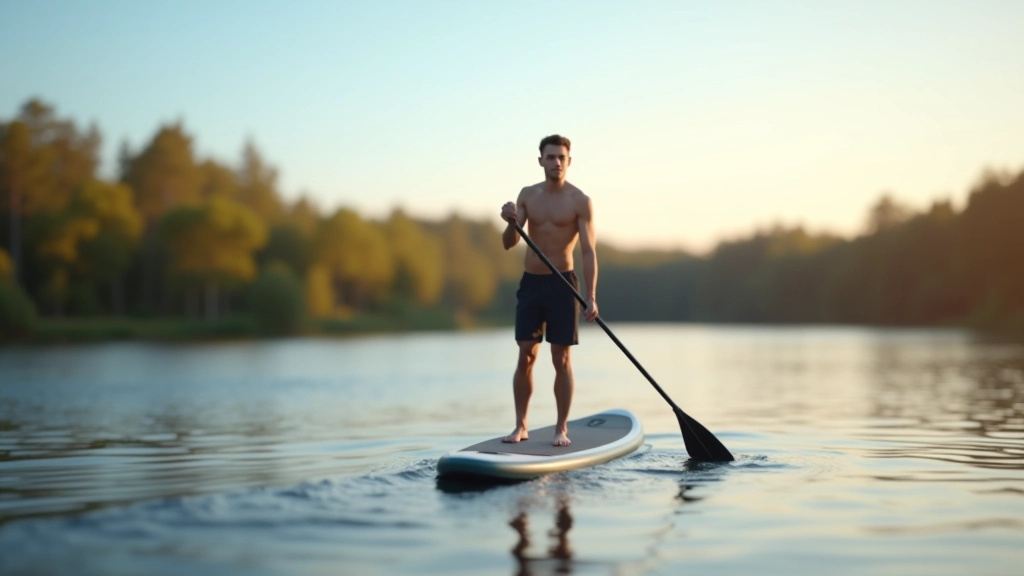
Stand-up paddleboarding, or SUP, isn't complicated. You're essentially surfing on a calm lake. It's low-impact, builds core strength, and doesn't require years of training to enjoy. What makes it great for Latvia? The lakes. We're talking clear, protected water with minimal current. Unlike ocean paddling, you don't fight waves or strong tides.
You'll notice improvements in balance and stability within the first few sessions. Most beginners can paddle confidently after 2-3 outings. The real appeal? It's peaceful. You're moving slowly across water, surrounded by pine forests and wildlife. That's the Latvian lake experience—no rushing, no crowds, just you and the paddle.
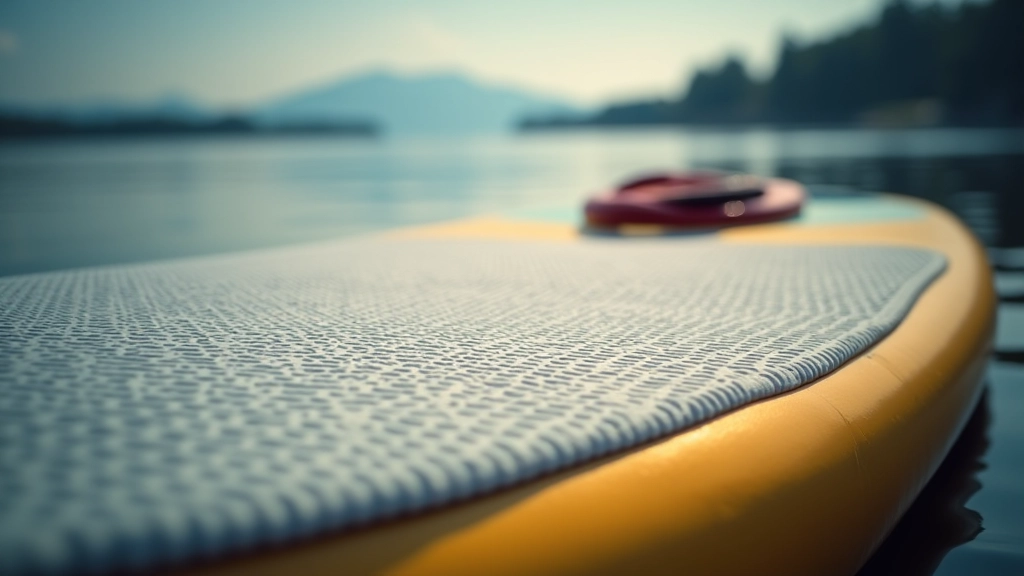
Board selection matters, but don't overthink it. For beginners, stability is everything. You want a board that's wide (32-34 inches) and long enough to support your weight. Most rental shops in Latvia stock boards between 9 and 11 feet—that's the sweet spot for learning.
The weight capacity should be at least 20% more than your body weight. So if you weigh 80kg, look for a board rated for 96kg or higher. This gives you the flotation you need to stay stable. Inflatable boards are easier to transport and more forgiving when you fall (you will fall—everyone does). They're also cheaper if you're renting.
Don't worry about paddle length too much on flat water. A general rule: stand the paddle upright and it should reach from the ground to your wrist when your arm is raised. Most Latvian rental facilities provide paddles that work fine for beginners.
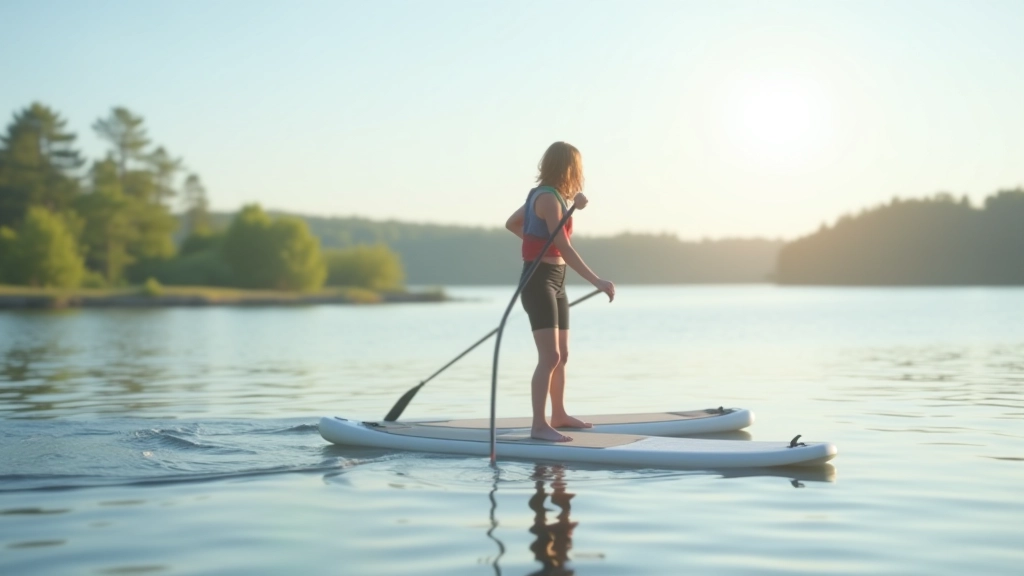
Your stance determines everything. Stand with your feet shoulder-width apart, roughly in the center of the board. Don't stand too far back or you'll nose-dive. Don't stand too far forward either—the board will sink in the back. Center is key. Keep your knees slightly bent. Locked knees mean you'll wobble with every ripple. Bend them just enough to absorb movement from the water.
Your core matters more than your arms. Engage your stomach muscles as if someone's about to punch you. That tension keeps you stable. When you paddle, the power comes from rotating your core, not flailing your arms. Beginners often arm-paddle—you'll tire quickly and look shaky. Core rotation is smoother, stronger, and uses less energy.
Practice in shallow water first. Lake Ķīšezers near Rīga has calm shallow areas perfect for beginners. Wade in until the water's knee-deep, get on the board, and practice standing. You'll feel the board's responsiveness. Then paddle slowly in a straight line. Don't try fancy turns yet. Just straight-line paddling for the first session.
This guide provides educational information about stand-up paddleboarding techniques and lake safety. Water activities carry inherent risks. Always wear a life jacket, check weather conditions before paddling, and follow local water safety regulations. If you're a beginner, consider taking lessons from certified instructors. Don't paddle alone. Conditions vary by location and season—what works on one lake might not apply to another. Use common sense and prioritize your safety above all else.
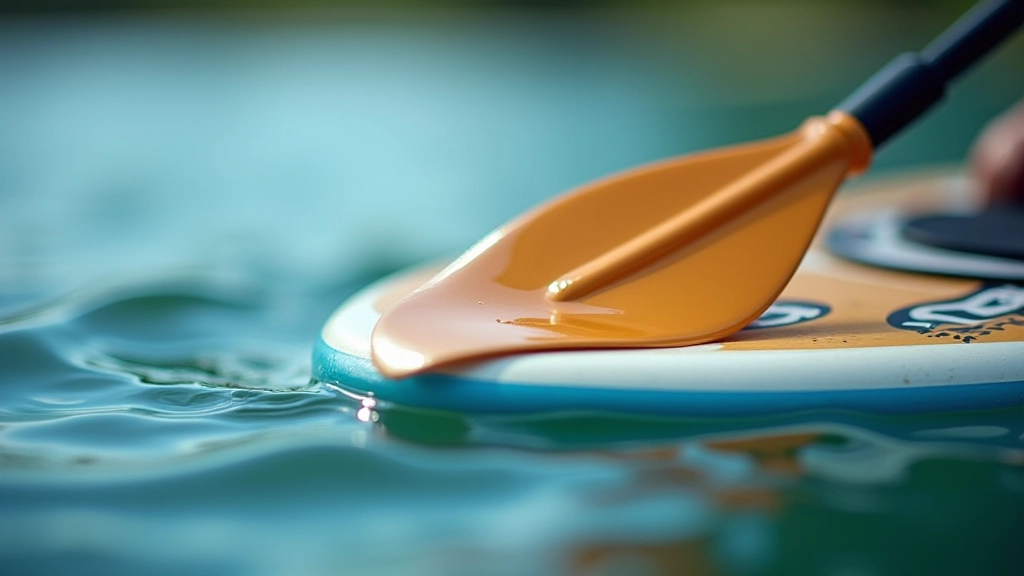
The forward stroke is your foundation. Reach the paddle forward as far as you can without leaning. Plant the blade fully in the water. Pull it back alongside your board, engaging your core. That's it. Simple. Don't overpower it—a smooth, steady rhythm beats aggressive thrashing every time.
For turning, use a sweep stroke. Plant the paddle near your feet and sweep it in a wide arc toward the tail. The wider the arc, the sharper the turn. You'll need to do this several times to complete a full turn. It's not fast, but it's effective. Practice on flat water until turning feels natural.
Backward strokes are useful too. Same motion as forward, but reversed. This helps you slow down or maneuver in tight spaces. Once you've got these three strokes down—forward, sweep, backward—you can paddle anywhere on flat water with confidence.
Latvia has over 2,000 lakes. Most are quiet and beginner-friendly. Here are the closest options to Rīga where you can rent equipment and paddle safely.
Just 10 minutes from central Rīga, this lake is sheltered and shallow in many areas. It's the most accessible option for beginners. Rental shops operate year-round on the eastern shore. Water is calm most days, and you'll see waterfowl and forest scenery. The lake covers 2.3 square kilometers, so there's plenty of room to explore without feeling crowded.
Slightly larger than Ķīšezers, Jugla sits northeast of the city. It's equally calm and has good rental facilities on the southern bank. This lake tends to be less crowded than Ķīšezers, which appeals to people seeking a quieter experience. The water quality is excellent, and the surrounding forest is pristine. You'll paddle through natural landscapes that haven't changed much in decades.
About 20 kilometers southwest of Rīga, Babītes is larger and offers more distance for intermediate paddlers. It's still beginner-safe in calm conditions, but you'll want some experience before attempting long-distance paddles here. Rental services are available, and the lake's size means you can choose short routes or longer expeditions depending on your comfort level.
Calm water is ideal for learning. Windy conditions create waves and chop that destabilize beginners. Check the forecast before heading out. Wind speeds above 15 kilometers per hour make paddling uncomfortable. If it's gusty, pick a different day. You're not in a race.
Temperature matters too. Latvia's lakes warm up slowly in spring. Even in summer, water can be cold. If you fall in early season, hypothermia is a real risk. Wear a wetsuit or rash guard until water temperatures reach 18 degrees Celsius. A life jacket is non-negotiable. It keeps you afloat if you get exhausted, injured, or panicked. Never skip this step.
Tell someone where you're paddling and when you expect to return. Paddle with a friend whenever possible. If you must paddle alone, let a friend track your phone. Stay visible—wear bright colors. Avoid paddling in darkness or heavy fog. Stick to marked paddling areas where boat traffic is minimal. These simple precautions reduce risk dramatically.
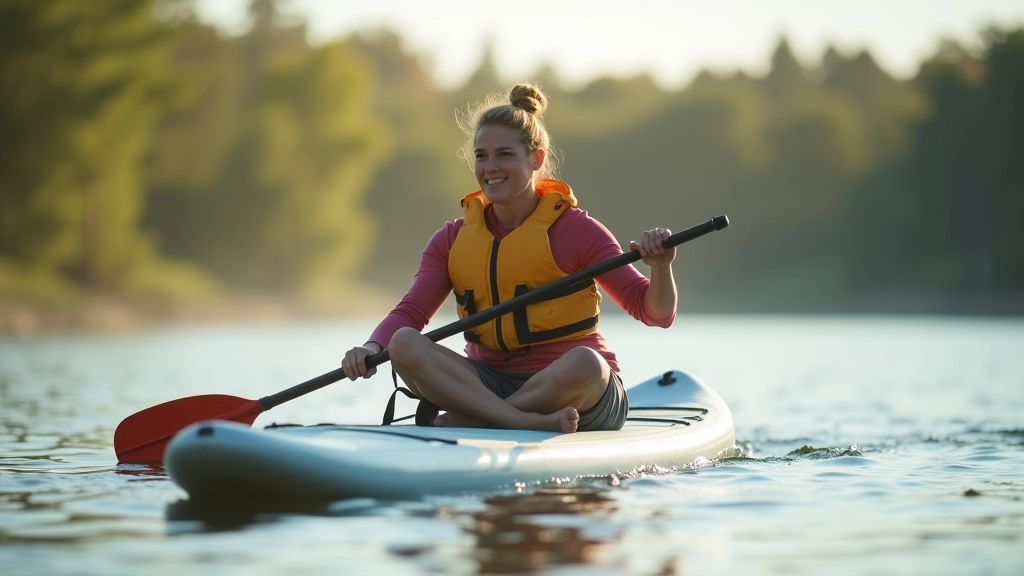
Stand-up paddleboarding isn't intimidating once you understand the basics. Pick a beginner-friendly lake, rent a stable board, practice your stance, and take it slow. You'll build confidence quickly. Within a few sessions, you'll be paddling across calm water with ease.
Latvia's lakes are waiting. The water's cleaner than most European lakes, the scenery's stunning, and the paddling conditions are excellent for beginners. You don't need expensive gear or special training. You just need a board, a paddle, a life jacket, and calm water. Everything else follows naturally.
Start small. Rent equipment from a local shop rather than buying. Take a lesson if one's available. Paddle with friends. Build your skills gradually. By midsummer, you'll be comfortable paddling across Ķīšezers or Jugla, exploring coves and shorelines, and wondering why you didn't start sooner.