
Kayaking the Gauja River: A Beginner's Guide
Everything you need to know before paddling Latvia's most famous river. Covers routes, safety tips, and what to bring for a full-day expedition.
Why the Gauja River?
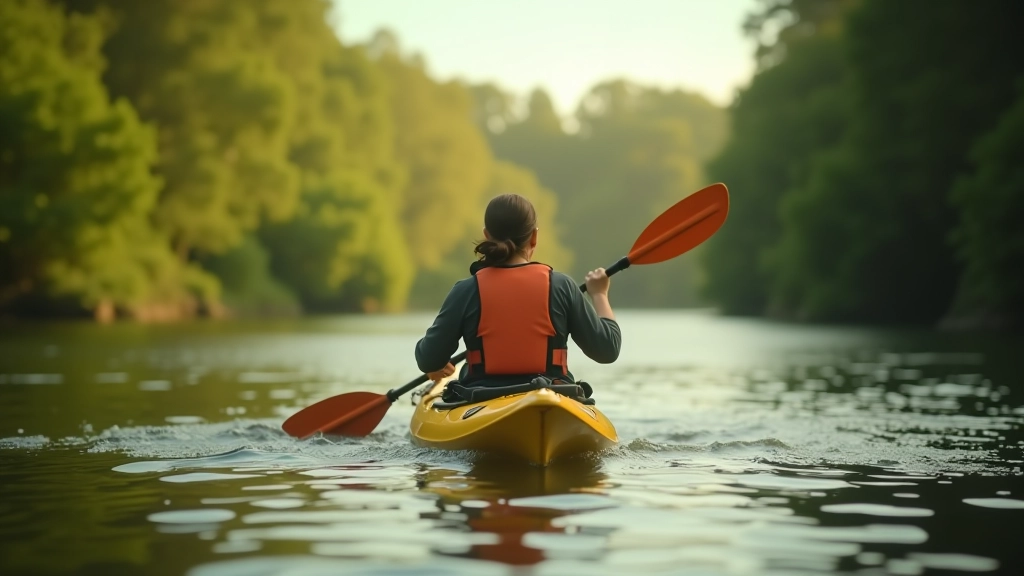
The Gauja River isn't just Latvia's longest river — it's become the go-to spot for anyone wanting to paddle without dealing with open water challenges. The 452-kilometer waterway flows through sandstone cliffs, dense forests, and charming villages. Most beginners paddle the section between Valmiera and Sigulda, about 42 kilometers over two to three days.
We're talking calm waters, predictable currents, and plenty of spots to pull out and rest. You'll paddle past medieval castles, limestone cliffs that rise straight from the water, and stretches where the only sound is your paddle hitting the surface. It's peaceful, accessible, and genuinely beautiful.
452
Kilometers Total Length
42
Beginner Route Distance
2-3
Days for Full Trip
Getting Started: What You Need
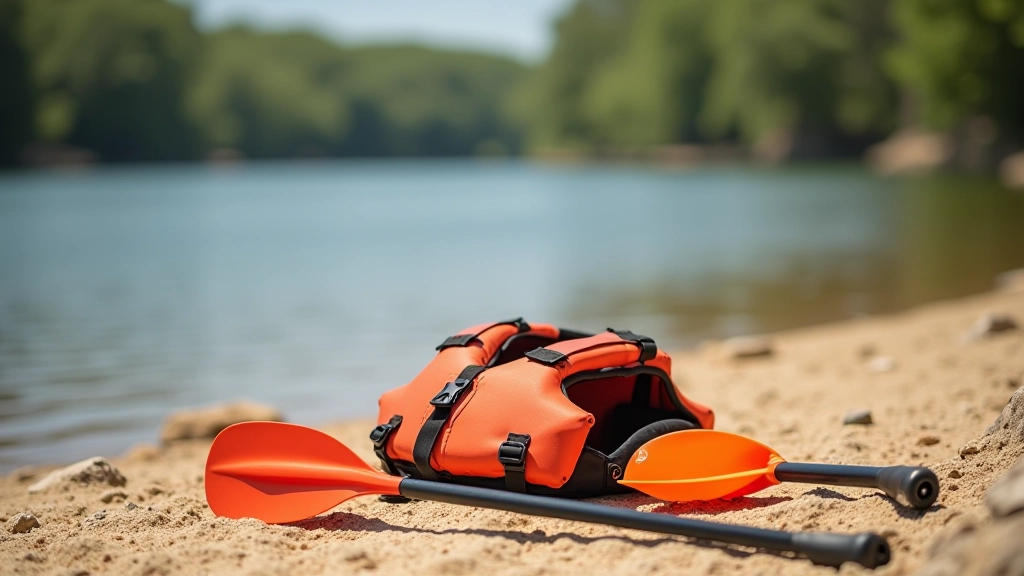
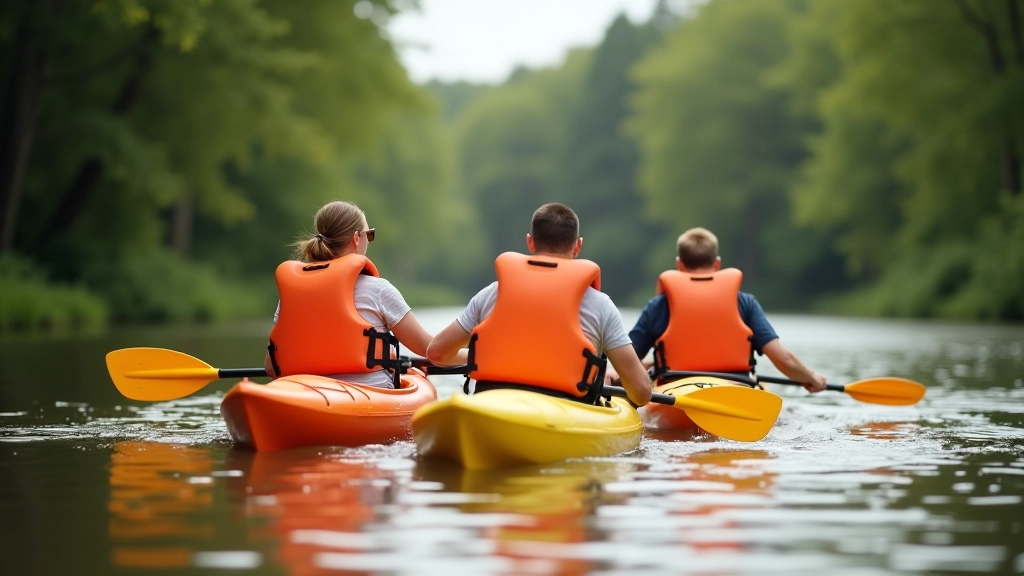
First things first — you don't need fancy gear to paddle the Gauja. A basic kayak, paddle, and personal flotation device (PFD) will get you moving. Most rental companies near the river have equipment packages starting at 15-20 euros per day. They'll provide the kayak, paddle, and life jacket. That's the essentials covered.
Beyond that, pack practical items. Bring a dry bag for your phone and wallet. Wear quick-dry clothes or a wetsuit depending on the season — water temperatures range from 8°C in spring to 18°C in summer. A hat protects you from sun exposure, and water shoes grip better than sneakers when you're launching from rocky banks.
Popular Routes & What to Expect
The Gauja has several established paddling routes. Here's what beginners should know about the main sections.
Important Information
This guide is informational only and based on typical conditions. River conditions vary with weather and water levels. Always check current water conditions with local rental companies before paddling. Don't paddle alone — go with a friend or join a guided tour. If you're uncomfortable swimming or have limited water experience, start with a guided excursion rather than a solo trip.
Valmiera to Sigulda (42 km)
The classic beginner route. Mostly calm, predictable water with scenic views of sandstone cliffs and dense forest. Most paddlers break this into two days with an overnight at Cesis or Ligatne. You'll pass castle ruins and limestone formations that make it memorable.
Duration:
2-3 days
Difficulty:
Easy
Current Speed:
0.3 m/s
Ligatne to Sigulda (18 km)
Shorter option perfect for a single day. Still packed with views — limestone caves, steep cliff walls, and the river narrows significantly. The water stays calm and you'll finish by mid-afternoon, leaving time to explore Sigulda's castle area.
Duration:
1 day
Difficulty:
Easy
Current Speed:
0.4 m/s
Cesis to Ligatne (22 km)
A gentler half-day option starting from the charming town of Cesis. You'll paddle through open meadows and light forest. The current's a bit slower here but it's a great introduction to river paddling without committing to a full two-day expedition.
Duration:
Half to full day
Difficulty:
Very Easy
Current Speed:
0.2 m/s
Basic Paddling Techniques
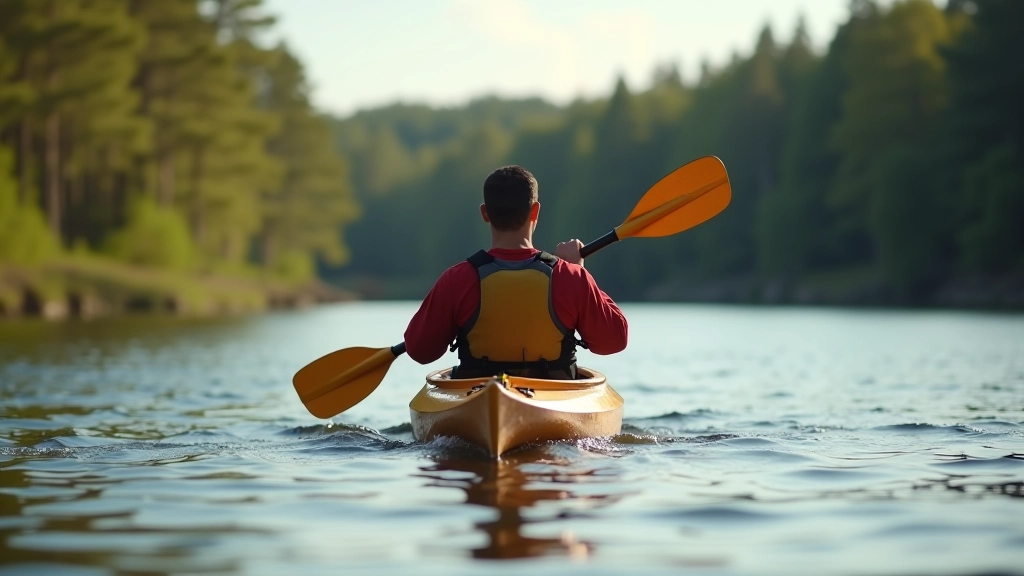
You don't need years of training to paddle the Gauja. The basic strokes you'll use are straightforward, and most beginners get comfortable within the first hour on the water.
1
Forward Stroke
The main stroke for moving forward. Plant the blade near your toes, pull it back alongside your body, then exit at your hip. Your torso does most of the work, not just your arms. It's efficient and won't tire you out over long distances.
2
Steering & Turning
Draw strokes pull your kayak sideways, and rudder strokes (just the paddle at your stern) help you adjust direction. On a river with gentle bends, you'll mostly paddle straight. The current does most of the steering work for you.
3
Braking
Backpaddle (reverse strokes) slow you down when approaching obstacles or landings. It's simple — same motion as forward stroke but push instead of pull. You'll use this constantly when navigating around rocks or pulling into rest spots.
Safety on the Water
The Gauja is forgiving compared to mountain rivers, but you still need to respect it. Water safety isn't complicated — it's just about being smart and prepared.
Wear your PFD always.
Non-negotiable. Even if you're a strong swimmer, currents
and unexpected situations happen. Your life jacket stays on
from launch to landing.
Never paddle alone.
Bring at least one buddy. If something goes wrong —
capsizing, cramps, getting lost — you have backup. Group
paddling also makes it more enjoyable.
Check weather before you go.
Wind can make the water choppy, and rain upstream raises
water levels quickly. Most paddling companies have live
updates — call them before launching.
Know the takeout points.
The river has established landing spots roughly every 10
kilometers. Rental companies provide maps. Don't try to
paddle straight through if you're tired — pull out and rest.
Stay sober.
Paddling and alcohol don't mix. Your judgment, balance, and
reaction time all suffer. Save the celebration for after
you're back on dry land.
What to Pack for Your Trip
Water & Food
Bring 2-3 liters of water per person and energy snacks. Paddling burns calories — nuts, energy bars, and fruit keep you going. Pack more than you think you'll need. You'll be on the water 4-6 hours, and there aren't shops along the route.
Sun Protection
Sunscreen with SPF 30+, a hat or cap, and sunglasses with a strap. Water reflects UV rays — you'll burn faster than on land. Reapply sunscreen every 2-3 hours, especially after swimming or sweating.
First Aid & Essentials
Waterproof first aid kit with blister treatment and pain relief. Bring a headlamp or flashlight if paddling late. A whistle fits in any pocket and could save your life if you need to signal for help.
Navigation & Info
River map in a waterproof case or phone holder. Know takeout points before you launch. Rental companies give you this, but write down the coordinates of emergency access points just in case.
Clothing
Quick-dry shirt and shorts, or a wetsuit in cooler months. Avoid cotton — it stays wet and cold. Bring a spare shirt for after paddling. Neoprene gloves help if it's chilly. Water shoes keep your feet from slipping on rocky landings.
Dry Bag Essentials
Phone, wallet, ID, car keys. Use a waterproof dry bag and keep it secured in your kayak. Most paddlers clip it to the hull with carabiners. Your phone could be a lifeline if something goes wrong.
When to Paddle: Seasonal Considerations
The Gauja is paddleable most of the year, but seasons change everything — water temperature, current speed, scenery, and crowds. Choose your timing based on what kind of experience you want.
Summer (June–August)
Warmest water (16–18°C), calm conditions, and most predictable weather. You'll share the river with lots of other paddlers, especially on weekends. Book rentals in advance. The scenery is lush and green. Longest daylight hours mean you can paddle late and still have time to explore.
Spring (April–May)
Water temperature climbs to 10–14°C. Snowmelt upstream means faster currents and slightly higher water levels — paddling feels more dynamic. Fewer crowds, so you get a quieter experience. Pack a wetsuit because water's still cold, especially mornings.
Autumn (September–October)
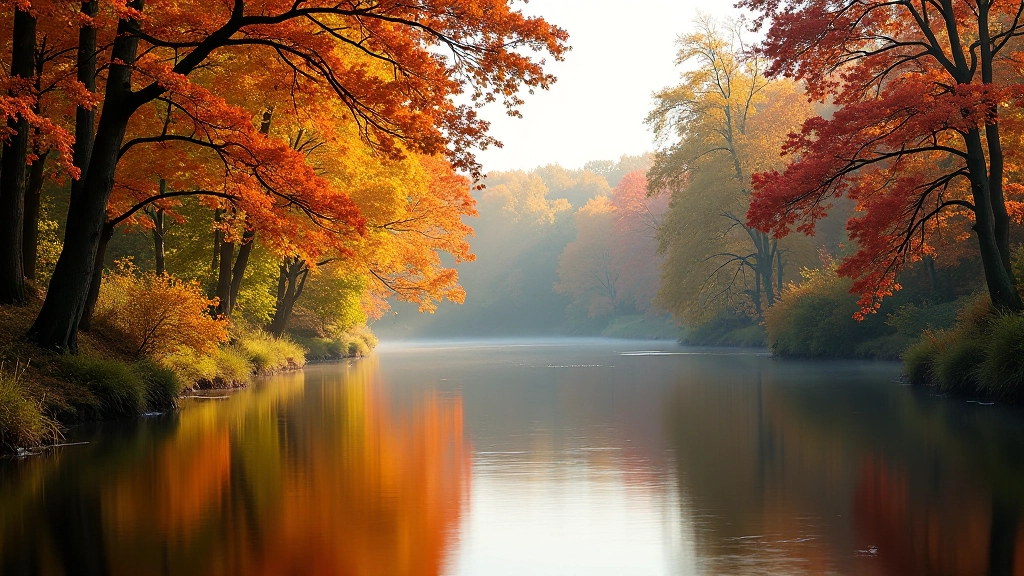
Water cools to 12–15°C. Trees turn brilliant colors — the scenery is stunning. Weather becomes unpredictable with occasional rain and wind. Most tourists are gone, so you'll have the river mostly to yourself. Bring a warm layer because mornings get chilly.
Winter (November–March)
Only experienced paddlers should attempt this. Water temperature drops to 2–8°C. Cold shock becomes a real risk if you capsize. Most rental companies close, and the few that stay open require proof of experience. The river can freeze in January and February, making paddling impossible.

Related Articles
Ready to Paddle?
The Gauja River isn't just a paddling route — it's an accessible way to experience Latvia's nature and history from the water. You don't need years of training, expensive equipment, or extreme fitness. You need a friend, basic safety sense, and willingness to show up.
Start with the Ligatne-to-Sigulda day trip if you're nervous. It's shorter, manageable, and absolutely beautiful. Once you've done it, you'll understand why the Gauja draws thousands of paddlers every year. The river's been flowing through these valleys for millennia — it'll be there waiting for you.